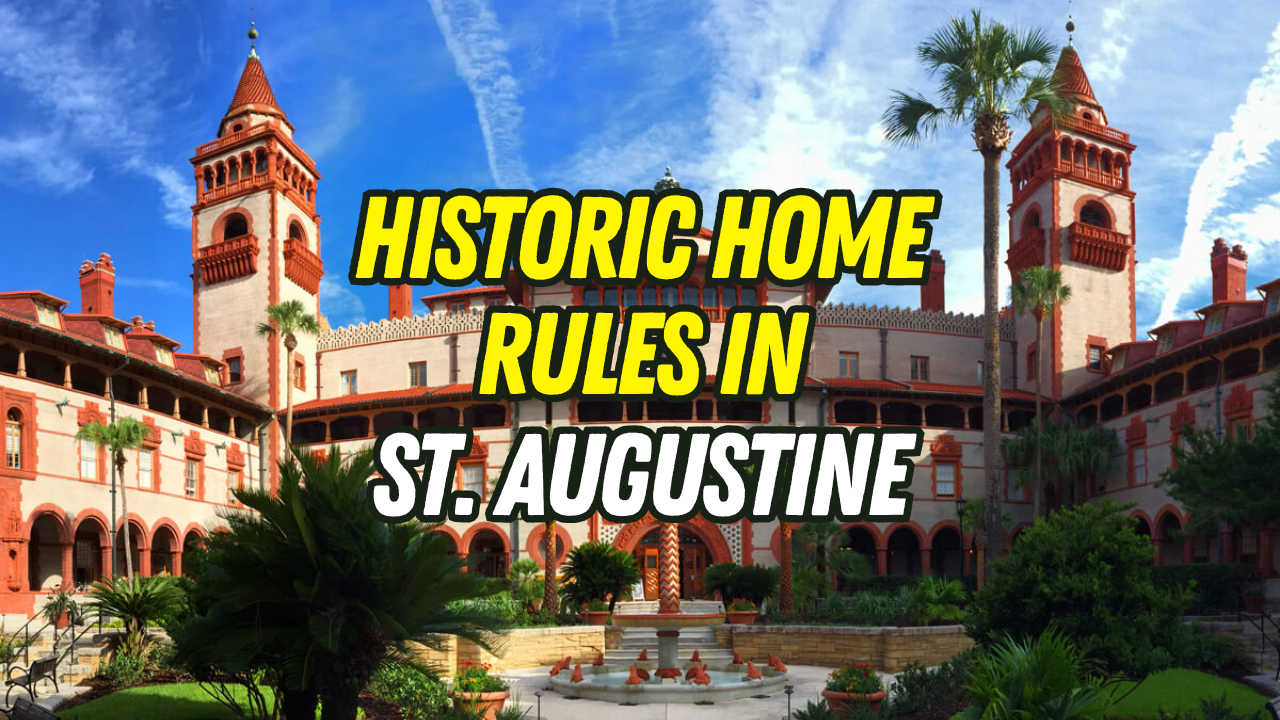
Historic homes in St. Augustine are subject to strict preservation regulations, especially in designated areas like the Historic District and Lincolnville. Buyers must follow guidelines that control renovations, exterior changes, materials, and approvals through the Historic Architectural Review Board (HARB).
- Exterior changes typically require Historic Architectural Review Board (HARB) approval
- Strict guidelines on materials, colors, and architectural style must be followed
- Demolition or major structural changes are heavily restricted
- Historic designation may limit modern upgrades or expansions
- Additional permitting and longer timelines are common
Buying a historic home in St. Augustine is very different from purchasing a standard property. While these homes offer character, history, and unique charm, they also come with responsibilities that many buyers underestimate.
If you're considering purchasing in the Historic District or Lincolnville, understanding the rules ahead of time is critical. These regulations are designed to preserve the city’s architectural heritage—but they can directly impact your renovation plans, timelines, and costs.
The buyers who succeed in this market are the ones who understand the balance between preservation and practicality.
“Kim Devlin was fantastic, made the search and complete process through closing quick and painless. She has a lot local knowledge 👍” — Garry MacGregor
How the Historic Architectural Review Board (HARB) Affects Buyers
The Historic Architectural Review Board (HARB) is the governing body responsible for overseeing changes to historic properties in St. Augustine.
If you plan to make any visible exterior changes, you will likely need HARB approval before starting work. This includes:
- Roof replacements
- Window and door changes
- Exterior paint colors
- Additions or expansions
- Fencing and landscaping changes
This process can take time and requires detailed plans. It’s not uncommon for projects to be delayed or modified to meet preservation standards.
For buyers, this means you need to evaluate not just the property—but what you're allowed to do with it.
What You Can and Cannot Change
One of the biggest misconceptions is that owning a historic home means you can renovate it freely as long as you own it. That’s not the case.
In designated areas like the Historic District and Lincolnville, regulations typically focus on preserving the exterior appearance of the home.
Here’s how that breaks down:
- Exterior: Highly regulated and subject to approval
- Interior: Usually more flexible, unless historically significant features are involved
- Materials: Must often match or closely resemble original materials
- Additions: Must align with historical character and scale
This means even something as simple as replacing windows or changing siding can require approval and specific materials, which may increase costs.
Key Considerations Before Buying a Historic Home
If you're a buyer or investor evaluating historic properties in St. Augustine, there are a few critical factors to consider:
- Renovation Costs: Specialized materials and labor are often more expensive
- Approval Timelines: Projects may take longer due to review processes
- Insurance: Older homes may carry higher premiums
- Inspection Needs: Historic homes may have structural or system issues
- Investment Strategy: These properties often perform better as long-term holds or primary residences
Understanding these variables upfront helps prevent surprises after closing.
Important Insights About Historic District and Lincolnville
The Historic District and Lincolnville are among the most regulated areas in St. Augustine, but they also offer some of the most unique real estate opportunities.
Lincolnville, in particular, has seen increased interest due to its history, location, and ongoing revitalization. However, it still falls under preservation oversight, meaning buyers need to approach renovations carefully.
These areas are not just about owning property—they’re about maintaining a piece of history.
“Kim Devlin is extremely knowledgeable of the area and all aspects of the real estate process. An excellent listener, Kim really worked to understand our needs and wants. This skill enabled her to open our sights to other areas that we may not have considered. We greatly appreciated Kim's promptness with our questions and concerns as well as her proactive approach. She was always one step ahead in troubleshooting! We always felt that Kim had our best interest at heart as she guided us through all the facets of the process. Kim and her team were a true pleasure to work with and we highly recommend them!” — Dan Rattigan
FAQ
Do I need approval to renovate a historic home in St. Augustine?
Yes. Most exterior changes require approval from the Historic Architectural Review Board (HARB).
Can I modernize the inside of a historic home?
Generally yes, but certain historically significant features may still be protected.
Are historic homes a good investment
They can be, especially for long-term appreciation and unique property value—but they require careful planning and understanding of regulations.
Next Steps
If you're considering buying a historic home in St. Augustine, working with a team that understands both the market and the regulations can make a significant difference.
The Kim Devlin Team can help you navigate historic property guidelines, identify opportunities, and ensure you fully understand what you're buying before making a decision.
With historic homes, clarity upfront is everything.
Check out this article next