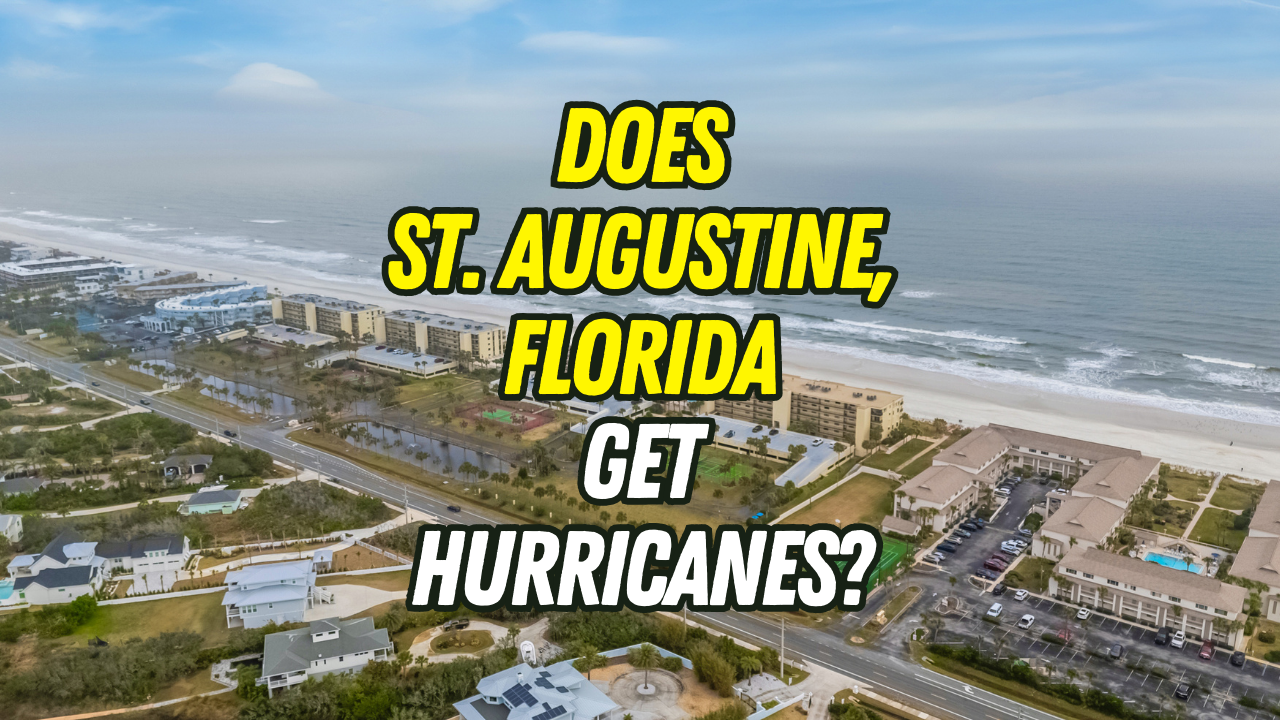
Yes, St. Augustine, Florida can experience hurricanes because it sits along the Atlantic coast of Northeast Florida. While direct hits are relatively uncommon compared with areas farther south in Florida, the region can still experience tropical storms, hurricane-force winds, heavy rain, and coastal flooding during the Atlantic hurricane season.
- St. Augustine is located on Florida’s Atlantic coast and is within the Atlantic hurricane zone.
- The official hurricane season runs from June 1 through November 30.
- Direct hurricane landfalls are less common than in South Florida, but storms can still impact the area.
- Tropical storms, heavy rain, and storm surge can occur even when hurricanes make landfall elsewhere.
- Modern building codes and storm preparation practices help reduce risk for residents and property owners.
What Is the Hurricane Risk in St. Augustine?
St. Augustine is the oldest continuously inhabited city in the United States and sits along the northeastern coastline of Florida in St. Johns County. Because of its coastal location, the area is within the broader Atlantic hurricane zone, meaning tropical systems moving up the eastern seaboard can influence local weather. However, compared with parts of South Florida and the Gulf Coast, St. Augustine historically experiences fewer direct hurricane strikes. Many storms weaken before reaching Northeast Florida or track inland before affecting the region. Even so, residents still need to prepare for possible impacts such as heavy rainfall, wind damage, and temporary flooding. The most common effects in the area tend to include:
- Strong wind gusts during passing tropical systems
- Heavy rain leading to localized flooding
- Storm surge in low-lying coastal areas
- Beach erosion during larger storms
These impacts depend largely on the path, intensity, and size of the storm. Because storms do not need to make direct landfall to cause disruptions, residents often monitor weather systems that pass offshore or track up the Atlantic coast.
Why Does Northeast Florida Experience Less Severe Hurricane Activity?
One reason St. Augustine sometimes avoids the strongest hurricane impacts is geography. Many Atlantic hurricanes curve north before reaching Northeast Florida or weaken as they move over cooler waters. Additionally, storms that make landfall farther south frequently lose strength as they move inland before reaching the St. Augustine area. While this does not eliminate risk, it often reduces the intensity of storms compared with other parts of Florida. Still, residents should always treat tropical systems seriously and follow local emergency guidance when storms approach.
What Homebuyers Should Know About Hurricanes in St. Augustine
People considering a move to St. Augustine often ask about hurricane safety before buying property. The reality is that hurricanes are a possibility anywhere along Florida’s coastline, but modern construction and preparation strategies have significantly improved storm resilience. Homebuyers typically evaluate several factors when considering hurricane exposure:
- Elevation of the property
- Flood zone designation
- Proximity to the coastline
- Year the home was built
- Roof and window protection
Newer homes in Florida must follow stricter building codes designed to withstand higher wind speeds. Many homes also include hurricane shutters, reinforced roofs, or impact-resistant windows. Insurance coverage is another important consideration. Most homeowners policies in Florida include wind coverage, though separate flood insurance may be required depending on the property’s flood zone.
How Do St. Augustine Residents Prepare for Hurricane Season?
Preparation plays a major role in minimizing storm risk. Residents in St. Augustine typically prepare ahead of the June-to-November hurricane season by creating emergency plans and monitoring weather forecasts. Common preparation steps include:
- Installing hurricane shutters or impact windows
- Trimming trees and securing outdoor furniture
- Reviewing insurance coverage
- Preparing emergency supply kits
- Monitoring official updates from local emergency management
Local authorities also maintain evacuation zones and storm response plans designed to protect residents if a significant storm approaches the region.
FAQ
How often do hurricanes hit St. Augustine?
Direct hurricane landfalls in St. Augustine are relatively uncommon, but tropical storms and indirect impacts from nearby hurricanes can occur during the Atlantic hurricane season.
When is hurricane season in St. Augustine?
Hurricane season runs from June 1 through November 30, with peak activity typically occurring between August and October.
Is St. Augustine a safe place to live despite hurricanes?
Yes. Like many coastal cities, St. Augustine has hurricane risk, but building codes, preparation practices, and emergency planning help reduce potential damage and improve safety.
Next Steps
If you're considering buying, selling, or investing in property in St. Augustine and want to better understand local factors like hurricane exposure, flood zones, and coastal property considerations, the Kim Devlin Team can help. Their local expertise can provide insight into neighborhoods, property types, insurance considerations, and long-term coastal living strategies so you can make informed real estate decisions. Connecting with a knowledgeable local team can help you navigate the St. Augustine market with greater clarity and confidence.
Check out this article next