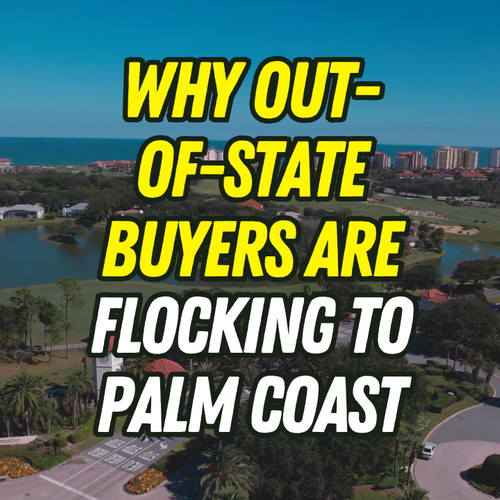
Most expensive “surprises” for out-of-state buyers in St. Augustine come from the monthly stack—flood insurance, HOA/CDD fees, utilities, maintenance, and commute reality. If you price the lifestyle (not just the list price) before you offer, you avoid overbuying and buyer’s remorse.
Relocating to St. Augustine? Avoid These 5 Expensive Homebuying Mistakes
- Price the monthly stack, not just the mortgage (flood, HOA/CDD, utilities, maintenance).
- Verify flood zone + get a real flood quote before you fall in love with the house.
- Reality-check walkability—outside downtown, plan on driving for daily errands.
- Budget for humidity + “salt-life” wear (AC use, corrosion, pest control).
- Choose location for Monday–Friday life (schools, bridges, commute patterns), not vacation vibes.
If you’re relocating to St. Augustine from the Northeast or Midwest, it’s easy to get optimistic fast. You see a renovated three- or four-bedroom in the 300s or low 400s and think, “This is cheaper than my rent back home.”
But Zillow doesn’t show the “quiet” line items that can turn an affordable-looking purchase into a payment that feels like the home you already assumed was out of reach. In St. Augustine and St. Johns County, the real cost is often the monthly lifestyle—not the list price.
Here are the five costly mistakes I see out-of-state buyers make when moving here, plus exactly how to avoid them before you write an offer.
Mistake #1: Ignoring the Invisible Water (Flood Risk + Flood Insurance)
A common assumption is: “It’s not on the ocean, so it won’t flood… right?” In St. Augustine, that’s not a safe bet. This area is low, flat, and surrounded by water—rivers, marshes, tidal creeks, the Intracoastal, and the ocean. Flooding can happen during storms, heavy rain, king tides, and even drainage backups.
When you shop here, you’ll see flood zones like X, AE, and VE. Zone X is typically lower risk (flood insurance may not be required), but it’s still smart to price it out. Zones AE and VE are higher risk, and if you have a mortgage, flood insurance is commonly required.
The key point: Flood insurance can materially change your payment. If the flood premium adds a few hundred dollars a month, that affects affordability just as much as your interest rate.
How to avoid it:
- Confirm the property’s flood zone early (not after you’re emotionally committed).
- Ask whether an elevation certificate exists, and request it when available.
- Get a real flood insurance quote as part of your due diligence—before you write the offer.
Local examples matter. Areas like Davis Shores are loved for proximity to downtown and the Bridge of Lions, but are also known for flood sensitivity. Crescent Beach is beautiful and laid-back, but flood risk and evacuation planning are part of the deal. These neighborhoods can still be amazing fits—you just want clear numbers up front.
“Professional! That is the word that best describes Kim. She is also warm, compassionate and has tremendous knowledge of the Real Estate market. We came to know her through a friend that said ‘she was the best’ and he was right. She took tremendous care in dealing with our family home knowing that it held so many precious memories. From the beautiful professional photos to the market research, she handled it all and was right on point. We would absolutely recommend Kim for any and all of your Real Estate needs. Thank you Kim for caring about us and our process. You are the BEST!” — Mark D.
Mistake #2: Expecting a Walkable Beach Town Everywhere
Downtown St. Augustine is charming, historic, and highly walkable. It feels like a vacation town because, for many people, it is. But that walkable “bubble” doesn’t extend across most of St. Johns County.
If you’re living on Anastasia Island—St. Augustine Beach, Davis Shores, and surrounding areas—much of daily life still means driving: groceries, schools, doctors, big-box stores, and often work. Bridges and timing matter. Tourist season, festivals, and school schedules can turn short routes into slow ones.
How to avoid it:
- List your real weekly “must-dos” (coffee, gym, grocery, school, work, healthcare).
- Map them from each neighborhood you’re considering.
- Do a test run during rush hour or school drop-off time.
Driving isn’t the problem—expectations are. If you plan correctly, you won’t feel disappointed after move-in.
Mistake #3: Underestimating Heat, Humidity, and Maintenance
Many buyers say, “I love the heat.” The real adjustment is the humidity. Humidity affects comfort, power bills, and how quickly components wear down—especially near the ocean.
In practice, many homeowners run their AC more than expected—not just to cool, but to remove moisture. That can surprise buyers used to northern climates. Then there’s the “salt-life tax”: coastal air can accelerate corrosion on bikes, grills, outdoor furniture, railings, hardware, and even HVAC components.
How to avoid it:
- Budget for higher AC usage than you’re used to.
- Ask the age and service history of the HVAC system (and consider a proactive maintenance plan).
- Plan for routine pest control—this is normal Florida living, not a sign something is wrong.
This doesn’t mean coastal living isn’t worth it. It means you win by expecting it and budgeting for it.
Mistake #4: Not Understanding HOA and CDD Fees (The “Sneaky” Payment Inflator)
One of the most common calls I get from new residents is: “Why is my tax bill so high? I thought we budgeted for this.” Often, the surprise is a CDD fee—a charge tied to community infrastructure and amenities that appears as part of your property tax bill in some neighborhoods.
HOA fees can cover community rules and shared amenities. CDD fees can cover infrastructure bonds and ongoing maintenance. These may be completely reasonable for what you’re getting, but they must be understood up front because they can add meaningful annual cost.
How to avoid it:
- Ask for a complete breakdown of all monthly and annual fees (not just what the listing highlights).
- Confirm what’s included (internet, cable, trash, amenities) versus what you pay separately.
- Review HOA documents and verify current fees directly with the HOA/community sources when possible.
- For CDD communities, understand how long the bond is expected to be paid (often many years).
Bottom line: Compare total payment—not just mortgage or HOA.
Mistake #5: Choosing the Wrong Location for Your Daily Life
This is the most underrated mistake: buying a home that looks perfect on paper but makes daily life harder. If you pick the wrong side of traffic patterns—or you’re far from schools, offices, activities, healthcare, or your routine errands—your “dream house” can become a daily stressor.
Relocation buyers often shop with a weekend mindset: downtown, beaches, farmer’s markets, festivals. But you live here Monday through Friday. The right question isn’t “Is this home beautiful?” It’s: “Is this home positioned for my real life?”
How to avoid it:
- Identify your real weekly anchors: work, school, gym, grocery, healthcare, activities.
- Do a test-drive commute at the times you’ll actually travel.
- Double-check school zoning if you have kids (don’t assume based on a listing line).
Sometimes being five minutes closer to what matters most changes your quality of life more than an extra bedroom or a bigger backyard.
FAQ
Q: What’s the biggest hidden monthly cost for out-of-state buyers in St. Augustine? A: Usually it’s the “monthly stack”—flood insurance, HOA/CDD fees, utilities (especially AC), maintenance, and the time cost of commuting and bridge traffic.
Q: Should I avoid flood zones entirely when relocating to St. Augustine?
A: Not necessarily. Some buyers love water-adjacent neighborhoods and accept the tradeoffs. The key is to price flood insurance early and make sure the risk and cost align with your comfort level.
Q: How can I tell if a neighborhood will fit my lifestyle before I move?
A: Map your daily routine (work, school, errands, healthcare) and test-drive routes at realistic times. Don’t rely on vacation impressions or midday map estimates.
Next Steps
If you’d like help navigating St. Augustine neighborhoods, flood zone questions, fee surprises, and the true monthly cost of living here, reach out to the Kim Devlin Team. The goal is simple: help you make a confident relocation decision with real numbers and realistic expectations.
Check out this article next