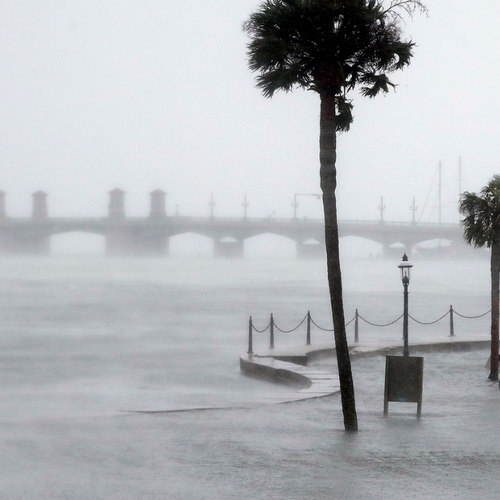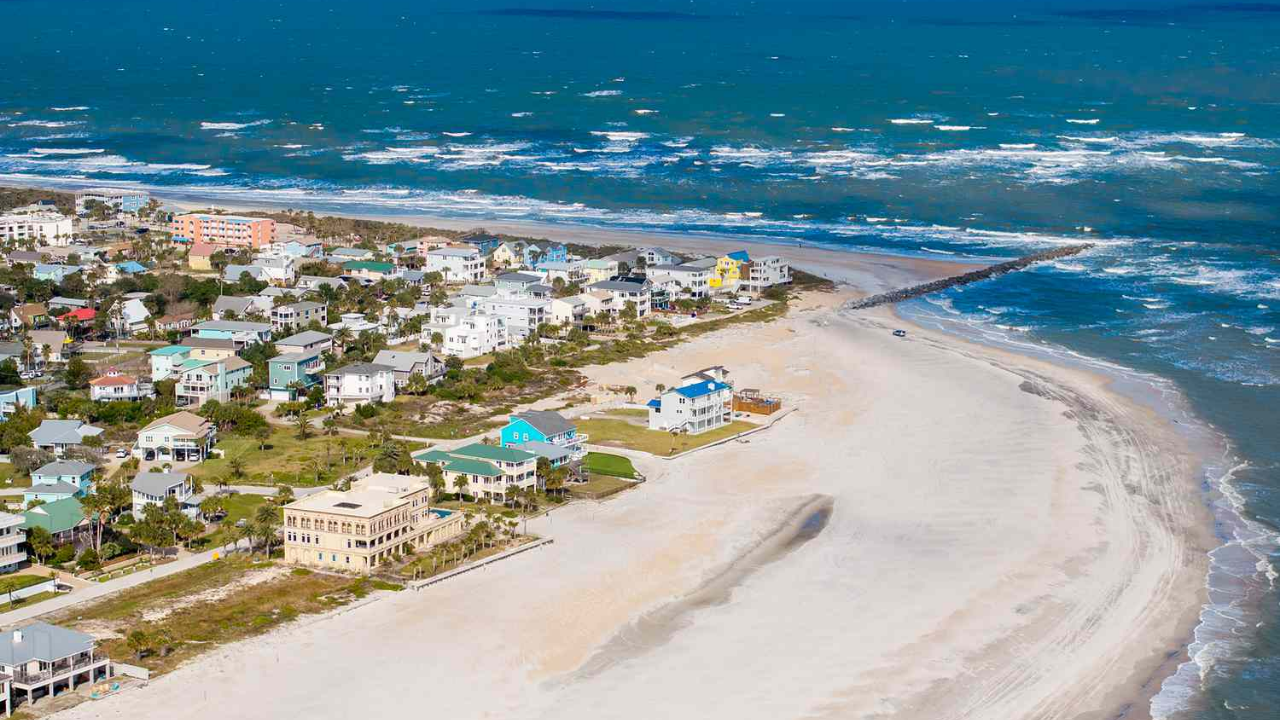
Yes, you may still need flood insurance even if your home isn’t directly on the water. In St. Augustine and St. Johns County, flood insurance requirements are based on FEMA flood zones—not proximity to the ocean, river, or intracoastal. Many inland properties fall within higher-risk zones due to elevation, drainage patterns, and storm surge exposure.
- Flood insurance is determined by FEMA flood zones, not distance from water
- Homes in high-risk zones typically require coverage if you have a mortgage
- Inland flooding is common in St. Johns County during heavy rain events
- Homes outside high-risk zones can still flood—and coverage is optional but available
- Standard homeowners insurance does not cover flood damage
This is one of the most common misconceptions buyers and homeowners have in Northeast Florida. Many people assume flood insurance only applies to waterfront homes or properties near the Intracoastal Waterway. In reality, flood risk is far more complex—especially in St. Augustine, where low elevation, historic drainage systems, and heavy rainfall events play a major role.
Flood zones are designated by FEMA based on statistical flood risk, not scenery. A home miles from the coast can still sit in a higher-risk zone if the land is low-lying or prone to stormwater accumulation. Conversely, some homes near water may be elevated enough to fall into a lower-risk category.
If you are buying with a mortgage and the property is located in a high-risk flood zone, your lender will require flood insurance as a condition of the loan. This applies regardless of whether the home has ever flooded before.
For homeowners without a mortgage, flood insurance is optional—but declining it is still a financial decision worth thinking through carefully. Flooding is the most common natural disaster in Florida, and even a few inches of water can cause tens of thousands of dollars in damage.
How Flood Zones Work in St. Augustine and St. Johns County
FEMA flood zones categorize properties based on the likelihood of flooding during a major storm event, often referred to as the “100-year flood.” This does not mean flooding happens once every 100 years—it means there is a 1% chance of flooding in any given year.
In St. Johns County, the most commonly referenced zones include:
- Zone AE / A: High-risk areas where flood insurance is typically required with a mortgage
- Zone VE: Coastal high-risk areas subject to wave action and storm surge
- Zone X: Moderate to low-risk areas where flood insurance is optional
St. Augustine’s historic layout, older infrastructure, and flat terrain mean flooding can occur even outside traditional floodplains. Heavy rainfall, king tides, and overwhelmed drainage systems have caused flooding in neighborhoods far from open water.
Flood zone maps can also change. FEMA periodically updates maps based on new data, development, and environmental changes. A home that was once outside a high-risk zone can be reclassified, which may affect insurance requirements and costs.
Important Considerations Before You Decide
Before assuming flood insurance doesn’t apply to you, it’s important to look beyond the map label alone. Elevation certificates, foundation height, and recent map updates can all influence both risk and premium costs.
Another key factor is affordability. Policies in lower-risk zones are often much less expensive than people expect. Many homeowners outside high-risk zones can secure coverage for peace of mind at a relatively modest annual cost.
It’s also worth noting that flood insurance policies typically have a waiting period before coverage takes effect. Waiting until a storm is approaching is too late. Coverage must be in place well before a flood threat arises.
"Over the years, my wife and I have dealt with more than our share of real estate brokers. Though we assumed some were much better than others, initially we really didn't know what to look for in a broker. Most brokers state what they have to say with apparent confidence ... we found that the things Kim Devlin told us actually panned out to be true. Kim greeted us with a smile ... always addressing our questions and concerns with the spontaneity of someone who knows what they're doing. When something needed to be checked-out, she got back with us promptly. Her strategic thinking is exceptional and she's a real problem-solver. Kim goes the extra mile.Our experience with Kim Devlin is the best we've ever had with a broker ... we highly recommend her." -William R.
FAQ
Does homeowners insurance cover flood damage?
No. Standard homeowners insurance policies do not cover flood damage. Flood insurance is a separate policy.
If my home has never flooded, do I still need flood insurance?
Yes. Past flooding is not required for future flooding to occur. Many flood claims come from homes that had never flooded before.
Can flood insurance be required even if I pay cash?
A lender cannot require it if there is no mortgage, but buyers may still choose to carry coverage to protect their investment.
Next Steps
If you'd like help navigating this topic, contact the Kim Devlin team to continue exploring helpful resources!
Check out this article next