short-term rental registration. In many Historic District areas (commonly associated with HP zoning),
minimum stays can be significantly longer—HP-1 zoning is monthly-or-longer with approved registration.
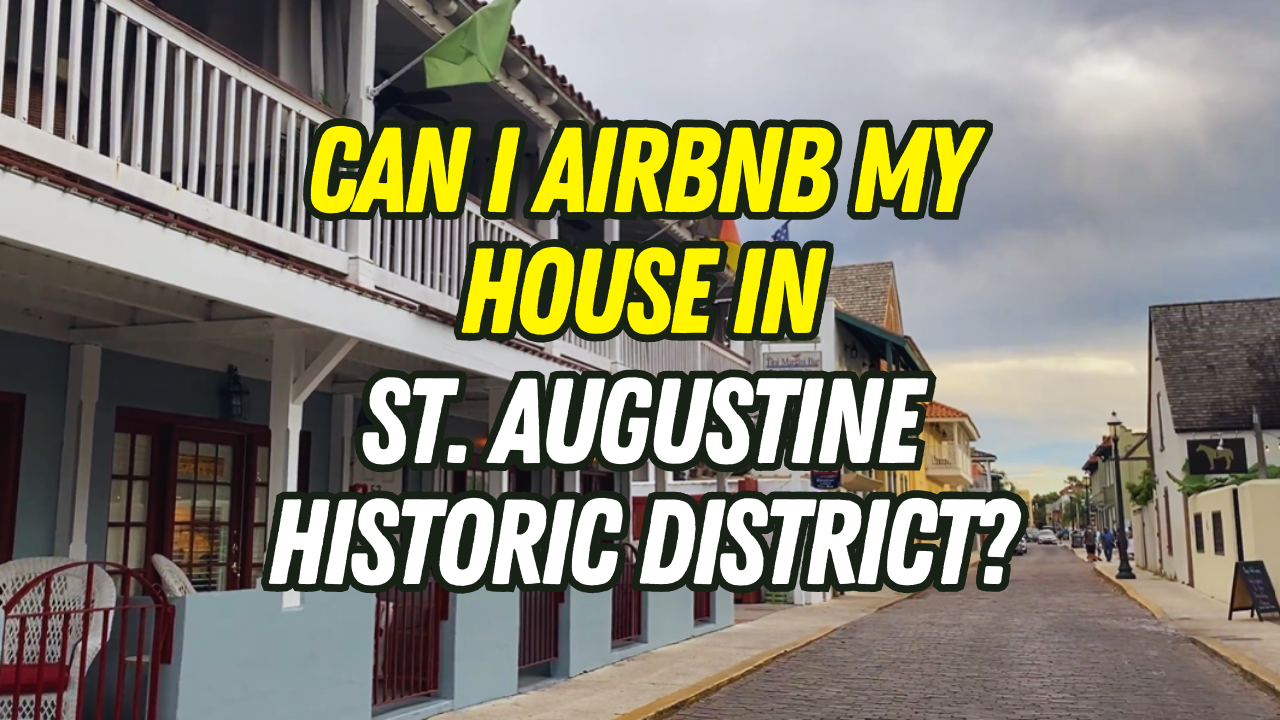
Can I Airbnb my house in the St. Augustine Historic District?
- Start with zoning: the City ties minimum stay rules directly to your zoning district.
- Historic District reality: many properties are in zoning where nightly stays are not allowed (for example, HP-1 is monthly minimum).
- Registration matters: even when rentals are permitted, you generally need approved City registration.
- Fees aren’t trivial: the City lists a tiered registration fee structure (base rate + per-bedroom amount).
- Verify before you buy or list: check zoning on the City map and confirm minimum stay, inspections, and registration requirements.
the question isn’t “Is Airbnb allowed?” The question is:
“What does my zoning allow—and what minimum stay applies?”According to the City’s Short-Term Rentals guidance, minimum rental periods vary by zoning district:
RS-1 & RS-2 can be rented for one week or longer (nightly is not allowed),
HP-1 can be rented for monthly or longer,
and other zoning districts may allow nightly rentals—each with approved registration.
That’s why “Historic District only” is where things feel strict: the Historic core often aligns with historic preservation zoning patterns,
and longer minimum stays (like monthly) can make a typical Airbnb model unrealistic for some properties.
You might still be able to rent—but the business model may look more like 30+ day furnished rentals than weekend stays.
Important: This is not legal advice. Rules can change, and enforcement can be strict. The safest move is always:
(1) confirm zoning for the address, (2) confirm minimum stay rules, and (3) confirm City registration steps before you list—or before you buy
with rental income assumptions.
“Kim Devlin is the Realtor of Realtors!!!! Extremely knowledgeable, patient, kind and "A" all around great person who wants to find you a home of your dreams.....She is Highly recommended!!! 10 Stars!!!” — Arthur S.
Common misconceptions that cost people money in the Historic District
- “If it’s listed on Airbnb, it must be legal.” Not necessarily. Listings exist for many reasons. Your property must comply with City zoning + registration requirements.
- “Historic District = nightly rentals everywhere.” Often the opposite—minimum stays can be longer depending on zoning (HP-1 is monthly minimum)
- “I’ll figure it out after closing.” If rental income is part of your plan, zoning and registration must be verified before you commit.
- “HOA rules are the only rules.” In the Historic District, City zoning and registration requirements are usually the first gate.
Important considerations before you list (or buy) for short-term rental income
1) Verify zoning using the City’s map (don’t guess)
The City provides a zoning map tool to locate your zoning district by address and parcel. That zoning class is what drives your minimum stay rules
and whether nightly rentals are even on the table.
2) Understand registration, inspections, and ongoing compliance
St. Augustine Historic District’s short-term rental program is structured around approved registration and compliance requirements. The City also publishes
life-safety requirements and a reporting process for violations.
3) Price your plan using the City’s fee structure (not vibes)
The City lists a tiered fee schedule for short-term rental registration (base rate plus a per-bedroom amount). That matters for investors and second-home
owners running projections—especially when your minimum stay may already limit booking volume.
4) Match the rental strategy to the rule set
If your zoning requires weekly or monthly stays, you’re not running the same business model as a nightly Airbnb operator. You may be looking at:
traveling professionals, 30+ day furnished rentals, seasonal tenants, or mid-term stays—depending on what’s permitted and what pencils out.
“Kim recently sold our Seagate North house for us in St. Augustine Beach. She is a fantastic marketer and held a number of open houses. She navigated many obstacles (a buyer who couldn't sell his own house, new buyers who were demanding) professionally and expediently. This was our second home, and since we were not onsite, Kim helped us find landscapers and checked on our home frequently. I really appreciate everything she did for us, and you will not find anyone willing to do more than Kim. She was always on top of everything and gave frequent updates. We didn't have to worry!” — Barb K.
FAQ
What are the short-term rental minimum stay rules in St. Augustine zoning?
The City’s guidance summarizes minimums by zoning: RS-1 & RS-2 are weekly minimums (no nightly), HP-1 is monthly minimum, and other zoning districts may allow nightly rentals—each with approved registration.
How do I know if my home is HP-1 in the Historic District?
Don’t assume. Use the City’s zoning map, search the address, and click the parcel to view the zone class. Then confirm the minimum stay and registration requirements for that zone.
Do I need a City registration even if I’m doing weekly or monthly rentals?
The City’s short-term rental program is built around approved registration, and the basic requirements are tied to zoning. Confirm your specific scenario with the City’s published guidance and registration process.
What if I’m buying and rental income is part of my plan?
Verify zoning and the minimum stay requirement before you buy, then run your numbers using real constraints (minimum stay, fees, inspections, insurance, and realistic occupancy for that model).
Next Steps
If you’d like help navigating Historic District rules and making sure your plans match what’s actually allowed, the Kim Devlin Team can help you pressure-test a property’s fit—without guesswork. Share the address you’re considering and your goal (homeowner use, second home, or investment), and we’ll help you map the right next step.
Check out this article next